


Establishing credibility happens before you even get on stage, and while you might be a best-selling author or an emerging speaker, there are a few things you can do to ensure that when you take the stage your audience gets onboard with your ideas.
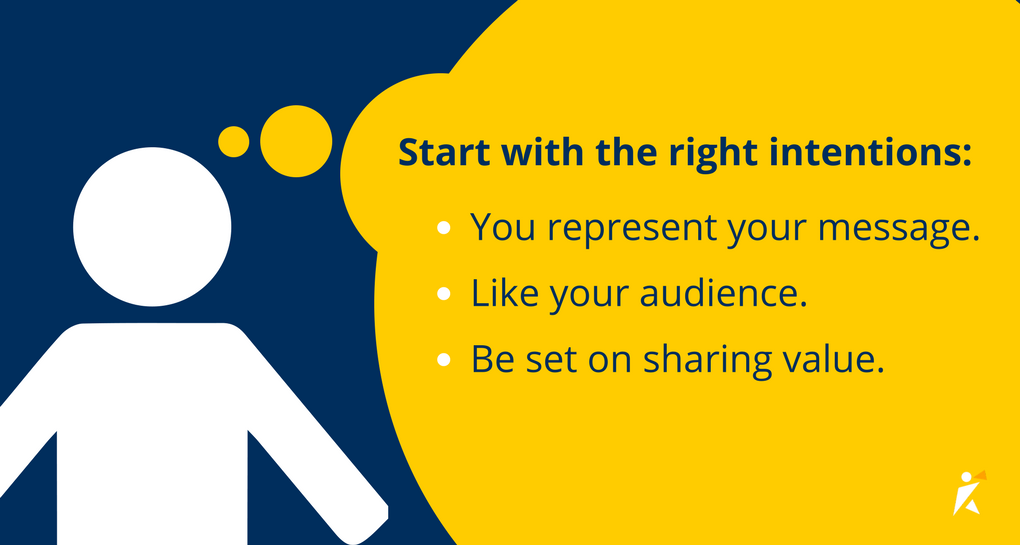
Start off with the right intentions.
If you are uncertain about what you are doing or what you are offering, your audience will be uncertain too.
Prepare a mind-blowing presentation
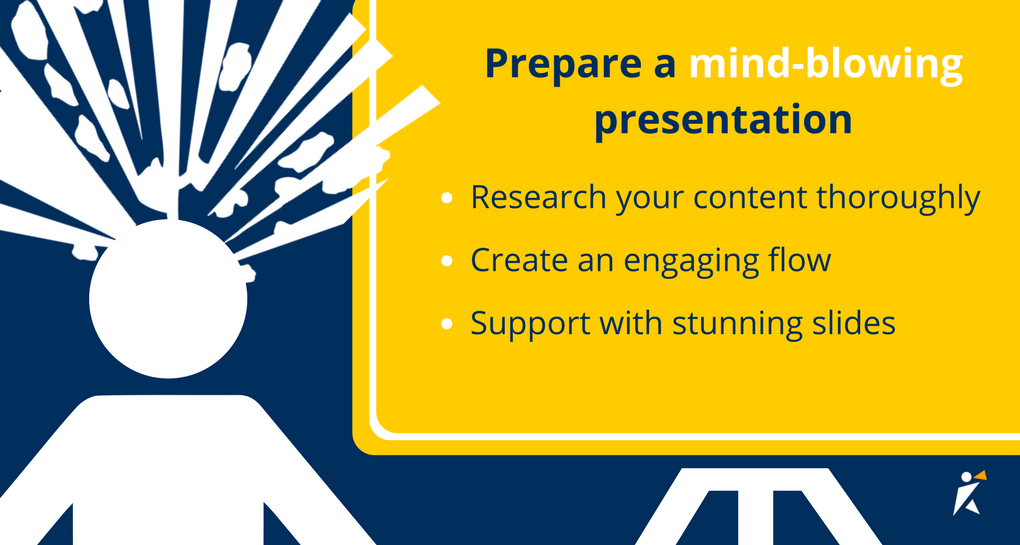
Great content comes from great research. This means diving into trends, studies, issues, and changes in the industry, society or politics.
Talk to thought leaders and experts to compile the best ideas, and get quotes from them to support your material.
Find facts, figures, and statistics that support your message. While your opinions and speculations have their place, they should have some proof to show how you got there.
When you are doing your research, keep a clear record of your sources. When it comes to swaying an audience who are discerning or skeptical, having reputable sources can go a long way.
Develop your points with real-life examples, stories, and humor.
While facts, statistics, and great sources are important, overloading on them will be dry and overwhelming. Making your points relevant and interesting is key to keeping the audience on your side.
Once you’ve got an assemblage of content, weave it together in a way that flows. Practice the flow a few times to make sure it works, and if it doesn’t, shuffle and edit the pieces until you feel you’ve got a rock-solid presentation.
Design is everything.
Gone are the days where we could get away with a line of text swirled in with a pinwheel animation. If you want your audience to think, “they are legit” or “this is a high-quality presentation”, your slides need to be aesthetically pleasing.
Pick a central theme that represents your message and image. Find out more about templates and presentation platforms in the article, “Creating Effective Presentation Slides: Which Platform to Use?”
Use a variety of high quality photos, illustrated quotes, screenshots, and visualized statistics to emphasize your message.
Do not add too much information or text on the slides. Keep it simple, shareable, and focus on imagery.
Make a great impression in the first 60 seconds.
There are varying figures in how long it takes an audience to make-up their mind about you, but at the core, the message is this: as soon as you walk on stage, your audience starts evaluating whether they like you, want to listen to you, and think they should believe you.
How you present yourself matters.
Your audience will almost immediately make assumptions about you based on their conscious and unconscious biases, preset societal beliefs, and knowledge of human behavior and body language.
That means if you walk on stage wearing a 3-piece suit and a tie, the audience will make different assumptions about you (good or bad) than if you walk up in white sneakers and a Bruno Mars 24K t-shirt.
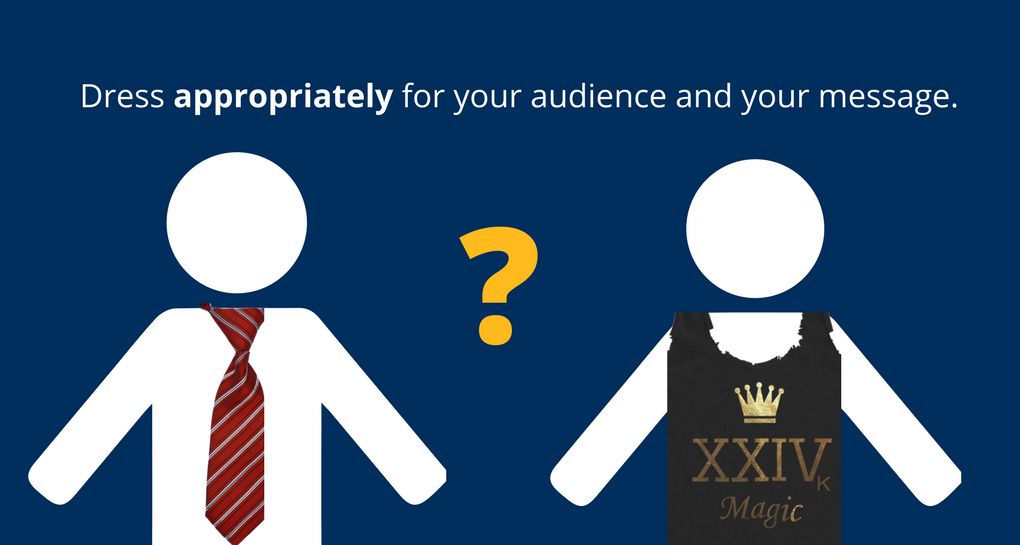
Dress appropriately for your audience and your message.
If you are appealing to a group of middle-aged professionals, maybe leave the band t-shirt at home and spiff-up your appearance.
Likewise, if you are speaking to trendy, designer techies, loosen-up that tie and adopt a more casual, fashionable style.
Wardrobe aside, here are 3 things you can do to make a great impression on any audience:
Use confident, calm body language. (i.e. good posture and an easy smile.)
Make eye contact
Speak clearly and with confidence
Need more information about confidence-inspiring body language? Body Language Cheat Sheet: 30 Tips for a Successful Presentation
Influence with your introduction.
A great introduction can go a long way in establishing your credibility as a speaker. Use it to lay the groundwork for your points and get the immediate buy-in from your audience.
Here are 4 top tips for nailing your intro:
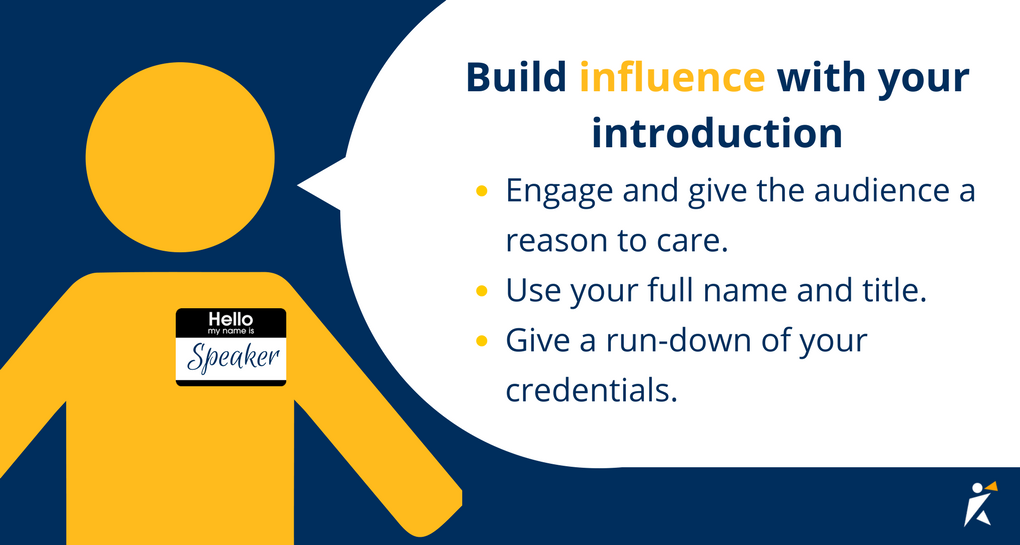
Respect starts with your own self-perception and the way you present yourself at the very start of your talk. There is a difference in how the audience perceives you by the way you introduce yourself.
Using an introduction like:
"Hiya, I'm Suzie."
Will make a different impact than:
"I'm Susan Taylor, Founder and CEO of Fictitious Incorporated."
Some high-profile speakers don’t need to establish much authority before they jump into their points. For example, Bill Clinton or Oprah Winfrey don’t need to convince the audience in their introduction that their talk matters.
But for the rest of us, highlighting your expertise can help build confidence.
The audience doesn’t need an entire run-down of your resume or excessive name dropping, but establishing your area of expertise can give your audience a reason to care.
For example, “I am an MIT-trained economist, certified coach, professional speaker and published author with a passion for business leadership and entrepreneurship. I talk about the way business is changing as a result of globalization and technology.”
For example, “I was a Fortune 500 HR consultant for 15 years. Now, I speak to companies like Forbes, Business Week, LinkedIn, the Harvard Business Review, and the Financial Times. I am a leader in the worldwide Human Workplace movement, reinventing how we view work-life balance.”
For example, “I am the founder of Money Management for Millennials, a blog geared towards equipping young adults to overcome financial and career related obstacles. I’ve navigated the corporate world as a millennial woman and advise others on how to do the same.”
If you have done the work beforehand by creating a great presentation, and you’ve nailed your presentation, the actual presentation should be fairly straightforward.
The most important part is to engage and influence your audience, not simply drop down your information. Pay close attention to your audience and make sure they are following your points.
Don’t be satisfied with delivering a box-standard speech. Be a speaker who someone quotes at the water cooler later.
For more on how to adapt your talk based on your audience, read our article “Knowing your audience: the key to adapting your presentation”
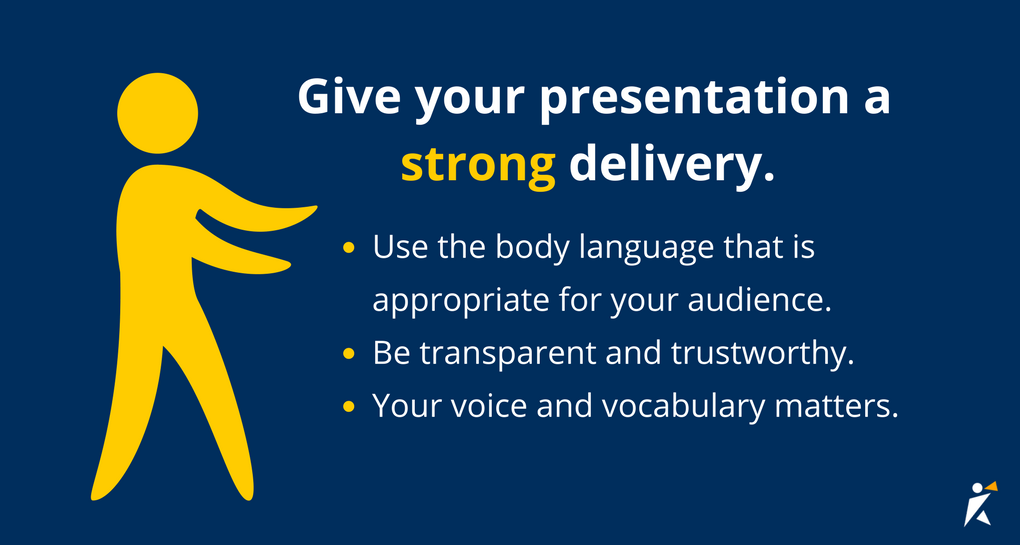
Here are a few things to keep in mind:
Leaning on a podium or table might come off as lazy or too casual for some audiences, while for others it might seem relaxed and confident.
Take cues from the room. What are the event organizers and other presenters doing?
While you want to be convincing, don’t try and pull a fast-one on your audience.
They will find you more credible if you are upfront and honest. If they get the feeling that you are not being upfront, you jeopardize your entire content.
Want more tips on speaking for a broad audience? Let us know.
When you’re at events and parties
Whether your audience thinks you’re credible isn’t set-in-stone once you’ve won them over on stage. How you act after your presentation matters as well.
Always hold yourself to the highest ethical standards, and remember that you are representing your message, even at the after-party.
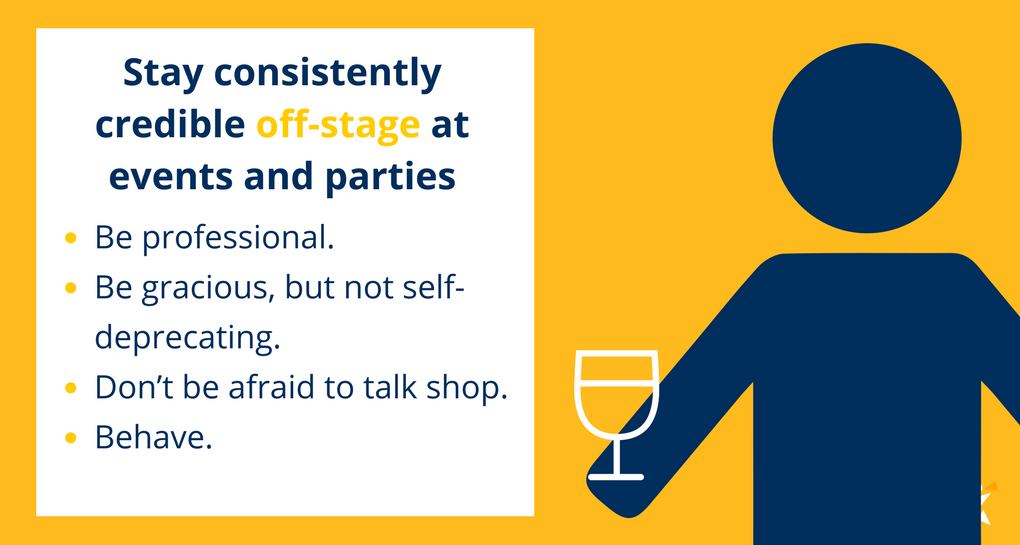
Be professional. Even if the event is at a bar or entertainment venue, this doesn’t mean you get a free pass to do whatever you like. While you should relax and have fun, still be on your A-game.
Your behavior off-stage can still add or take away from your credibility.
Be gracious but not self-deprecating. There is a big difference between being proud that a presentation went brilliantly and being pompous and boastful.
Arrogance is seldom appreciated by event organizers or audiences, while down-playing your contribution too much can devalue it.
If someone compliments or congratulates you, be graceful and grateful.
Don’t be afraid to talk shop. When talking to people at the event, stick to your message. If you seem wayward, disingenuous, or express perspectives that counter the ones in your message, it can undercut your credibility.
Events and parties are also a great place to generate business leads and new speaking opportunities. When you are networking, showcase the depth of your knowledge and expertise.
If you make a great connection, set a clear path of how and when you will get in contact with them. Then, make sure you stick to the plan.
Oh, behave! Don’t get drunk. Be polite. Keep your jokes light and clean. Avoid gossip and confrontations. Don’t hoard the hors d'oeuvres. Bad behavior undermines trustworthiness and authority.
When social networking
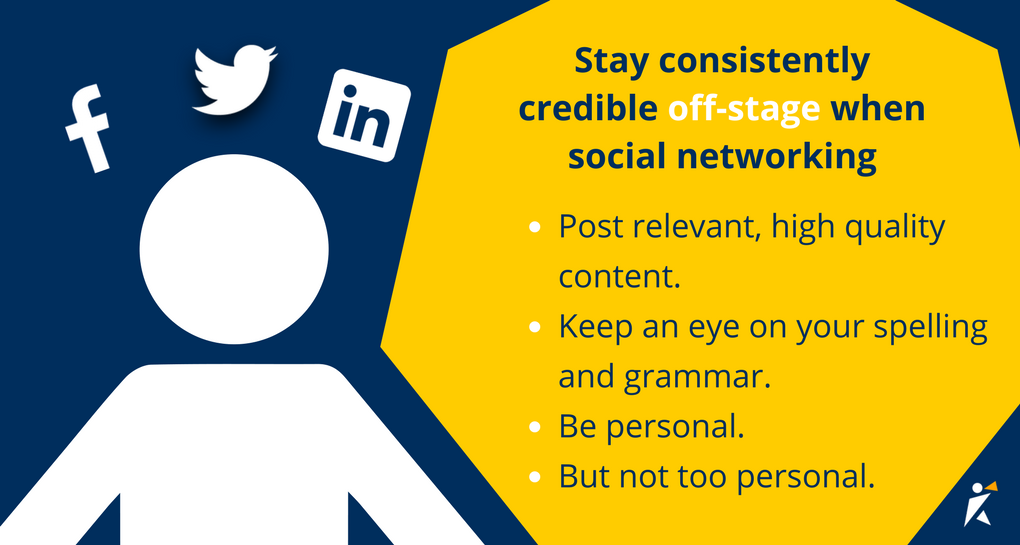
Many speakers find it easier to have a professional account separate from their personal account.
You can share all the videos of parkour goats you’d like on your personal account, but keep your professional, speaker accounts relevant to your topics and expertise.
Regardless of whether you choose to have one account or several, here are some guidelines for maintaining your credibility online.
Avoid coming off too robotically or laser-focused.
Occasionally, post a selfie or photo from the current city you are in, or talk about an upcoming event that you are very excited about going to.
Your posts should be focused on sharing value with your audience over being a place to talk about yourself.
Avoid posting overtly personal or heavily emotional content as they can undermine your professionalism.
Building your credibility while social networking doesn’t need to be daunting. Find out what to post in this article “Social Networking: What to talk about on Facebook, Twitter, and LinkedIn”
If you want your audience to believe you, be trustworthy. Be consistent in delivering high-quality, inspiring information, and be a representative of your message both on and off-stage.
Links to additional articles mentioned above:
Popular Categories